
Common Reefer Shipping Failures and How Exporters Avoid Them
A decision and risk management framework for US exporters: frequent refrigerated cargo failures and the operational protocols to prevent them.
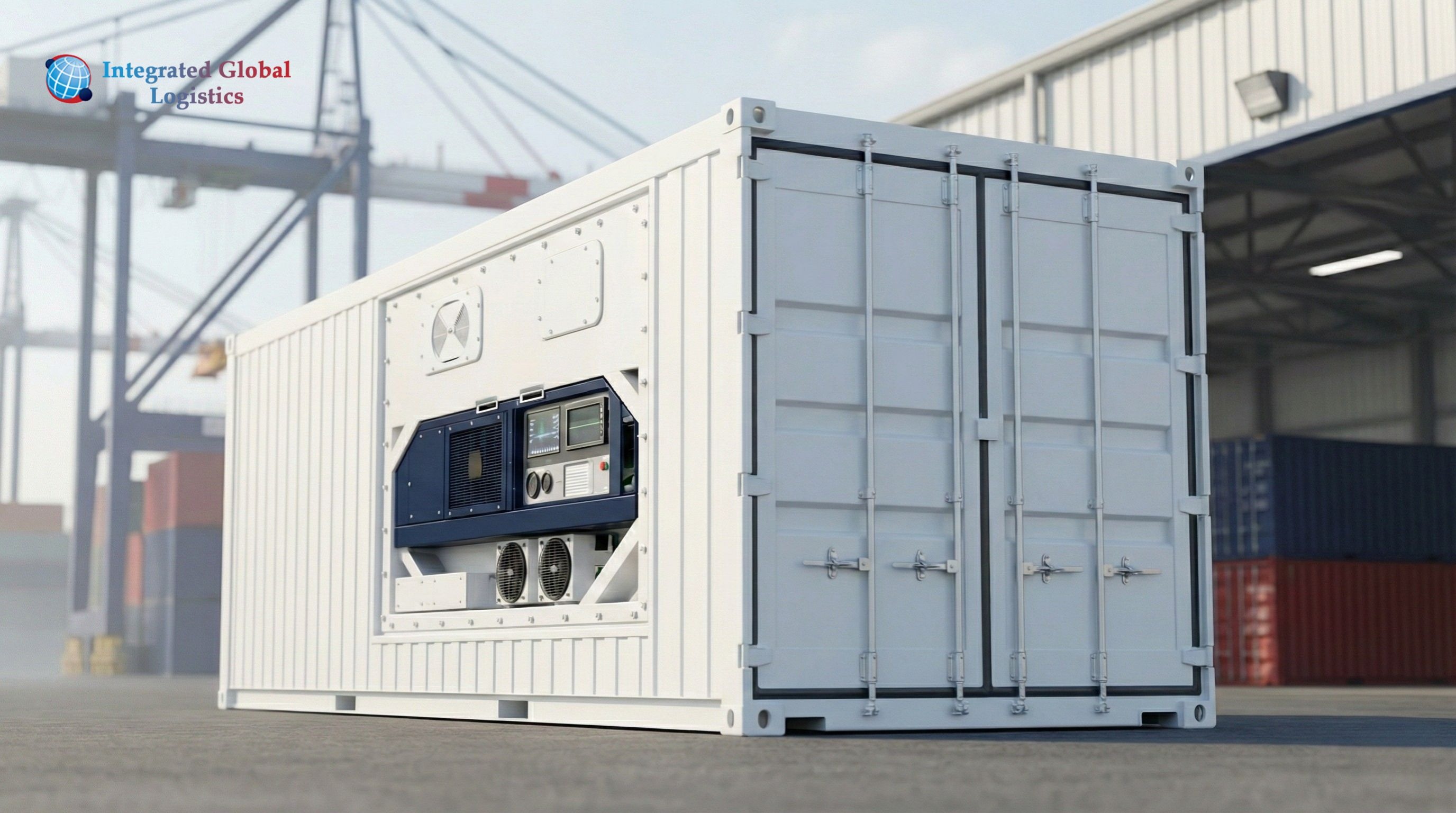
Reefer shipping failures do not just result in damaged products; they lead to total cargo loss, severe financial penalties, and compromised exporter reputation. In temperature-controlled supply chains, a single point of failure—whether mechanical, operational, or administrative—can destroy an entire consignment.
Mitigating these risks requires moving beyond basic carrier instructions and adopting a rigorous, process-driven approach to cold chain execution. This article serves as a decision and risk management framework for US exporters and logistics managers, detailing the most frequent refrigerated cargo failures and the operational protocols required to prevent them before the container ever leaves the loading facility.
Temperature Deviation During Transit
What the failure is: A sustained fluctuation of the internal container temperature outside of the mandated thermal parameters.
Why it happens: Deviations are rarely caused by a complete mechanical failure of the refrigeration unit. They are most often the result of improper cargo stowage that blocks the T-floor channels, ambient temperature spikes during loading (breaking the thermal envelope), or loading cargo that has not been adequately pre-cooled.
Operational impact: Temperature excursions cause accelerated ripening, severe microbial growth, or freeze damage. This inevitably results in the cargo being rejected by the consignee or detained by health authorities at the destination port.
How exporters prevent it: Exporters must understand that a reefer container is designed to maintain temperature, not to cool warm cargo. Strict precooling protocols must be enforced at the origin facility. Furthermore, loading teams must not cross the red load line or block airflow pathways. As logistics managers evaluate route vulnerabilities, they learn that temperature control alone is not enough; proactive airflow management and strict stowage architecture are mandatory.
Improper Pre-Trip Inspection (PTI)
What the failure is: Releasing and stuffing a reefer container that harbors latent mechanical defects or compromised structural integrity.
Why it happens: This occurs when equipment depots rush their inspection processes during peak seasons, or when exporters accept a container without verifying the physical condition and the digital PTI record prior to loading.
Operational impact: A faulty container can suffer a mid-ocean compressor failure, sensor drift, or rapid thermal degradation due to leaking door seals, leaving the exporter with zero options for intervention.
How exporters prevent it: Establish a mandatory loading dock gate-check protocol. Exporters must demand verifiable PTI certificates dated within 30 days of the equipment release. Facility managers should be trained to visually inspect door gaskets, confirm drain holes are clear, and check interior panel integrity before accepting the equipment from the drayage provider.
Incorrect Reefer Container Settings
What the failure is: A critical misalignment between the exporter's bill of lading instructions and the physical parameters entered into the reefer unit's microprocessor.
Why it happens: This is a human error failure. It is driven by data entry mistakes, confusion between Celsius and Fahrenheit conversions, or the failure to specify vital active ventilation (CBM/hr) and humidity control requirements.
Operational impact: Incorrect settings can lead to the asphyxiation of respiring fresh produce due to closed vents or severe product dehydration caused by improper humidity set points.
How exporters prevent it: Implement a dual-verification checklist. The loading dock supervisor must physically match the digital display on the reefer unit to the master shipping instructions before sealing the container. Standard operating procedures (SOPs) must clearly define temperature scales and active vs. passive ventilation parameters to eliminate ambiguity.
Port Delays and Power Interruptions
What the failure is: Containers sitting off-power (unplugged) for extended periods during inland transport, terminal congestion, or customs holds.
Why it happens: The thermal envelope is broken when handoffs between transport modes are uncoordinated, or when port infrastructure lacks sufficient reefer plugs during peak congestion.
Operational impact: Without power, internal temperatures spike rapidly—especially in high-ambient-temperature origin or destination ports—leading to immediate product degradation.
How exporters prevent it: Exporters must require the use of active gensets (generator sets) for all inland drayage or rail transit exceeding standard thermal hold times. Additionally, route planning must account for port infrastructure; proactively routing high-value cargo through terminals with adequate reefer plug capacity and negotiating guaranteed plug-in time limits exposure.
Poor Documentation and Compliance Errors
What the failure is: Submitting inaccurate phytosanitary certificates, missing commercial invoices, or incorrect HS codes to customs authorities.
Why it happens: Documentation failures stem from siloed communication between the exporter, the freight forwarder, and the customs broker.
Operational impact: Regulatory discrepancies trigger immediate border detentions. Customs holds force the container to sit idle in terminal yards, racking up severe demurrage costs and increasing the risk of equipment power disconnection.
How exporters prevent it: Eliminate siloed workflows by establishing an auditable cold chain system. All regulatory, sanitary, and shipping documentation must be verified and cleared before vessel departure. Utilizing pre-clearance processes for destination customs ensures that administrative bottlenecks do not disrupt physical cargo flow.
Inadequate Packaging and Blocked Airflow Dynamics
What the failure is: Utilizing non-vented, retail-ready packaging or applying dense stretch wrap that prevents the reefer's chilled air from penetrating the core of the cargo mass.
Why it happens: Exporters often prioritize pallet stability and retail aesthetics over thermal dynamics. In an effort to secure the load for ocean transit, warehouses may wrap pallets in heavy, solid plastic film or utilize stacked cartons that lack aligned ventilation holes.
Operational impact: A reefer container delivers air from the bottom up (via the T-floor). If packaging is unventilated, the cold air is forced to bypass the internal cargo and only chills the perimeter of the stow—a phenomenon known as short-cycling. This leaves the core of the pallets entirely cut off from the cooling cycle, leading to localized hot spots, trapped respiration heat, and rapid product breakdown in the center of the load.
How exporters prevent it: Exporters must engineer their packaging specifically for cold chain transit, not just retail display. Mitigation requires utilizing structurally vented cartons and ensuring those vents align vertically when stacked. For pallet stabilization, warehouses should mandate the use of breathable pallet netting or strategically applied corner boards instead of solid stretch film, ensuring air can flow continuously through the cargo, rather than just around it.
Frequently Asked Questions
1. What is the most common cause of temperature deviation in reefer shipping?
The most common cause is poor cargo stowage and inadequate precooling. Blocking the T-floor channels restricts critical airflow, and loading warm cargo forces the reefer unit to work beyond its design, which is meant to maintain temperature, not cool the product.
2. How long is a reefer Pre-Trip Inspection (PTI) valid?
A PTI certificate is generally considered valid if executed within 30 days of the empty container's release. Exporters should mandate verifiable PTI records before loading to avoid latent mechanical failures during transit.
3. Why do port delays pose a critical risk to refrigerated cargo?
Port delays increase the likelihood of power interruptions. If a container sits unplugged during terminal congestion or customs holds, the internal temperature spikes rapidly, compromising the thermal envelope and damaging the cargo.
4. How do exporters prevent power loss during inland reefer transport?
To prevent the thermal envelope from breaking during inland drayage or terminal delays, exporters must mandate the use of active generator sets (gensets) for off-power transits. Strategic route planning should also prioritize routing high-value cargo through port terminals with sufficient reefer plug infrastructure to ensure continuous power during transport handoffs.
5. What role does documentation play in cold chain logistics?
Accurate documentation prevents administrative delays. Errors in commercial invoices or phytosanitary certificates result in customs holds, forcing reefer containers to sit idle at terminals, which drastically increases demurrage costs and the risk of cargo spoilage.
Process Management Over Passive Shipping
Refrigerated shipping is not merely a transportation mode; it is a strict process management discipline. Exporters who successfully eliminate common reefer failures do so through rigorous equipment verification, active monitoring, precise documentation, and strategic partner selection.
Integrated Global Logistics (IGL) provides the operational framework required to execute complex temperature-controlled shipments. By focusing on end-to-end accountability, structured execution, and continuous monitoring, we help US exporters protect their high-value commodities from origin to destination.
Explore Our Refrigerated Cargo Services
If you are evaluating your supply chain vulnerabilities, explore our refrigerated cargo services to see how our structured model reduces risk.
Explore Refrigerated Cargo Services →